

Henrik Ibsen’s Hedda Gabler, the Danish 1891 play that spawned over twenty official onscreen adaptations, is regarded as a masterpiece of literature. While not as repurposed in mainstream North American pop culture as something like Little Women or the writings of Jane Austen, possibly due to its more tart and acidic nature, Hedda is widely considered one of the great female characters of all time, constantly up for worldwide reinterpretation. What drew director Nia DaCosta to this material after making a name for herself in the thriller genre with Little Woods, Candyman, and the upcoming 28 Years Later: The Bone Temple could be the excuse to feast in the escalating tension of a wild party gone horribly wrong. Re-teaming with her Little Woods star Tessa Thompson as the titular chaos agent, the two successfully reimagine the role within a modern, queer, color-blind, but equally venomous lens.
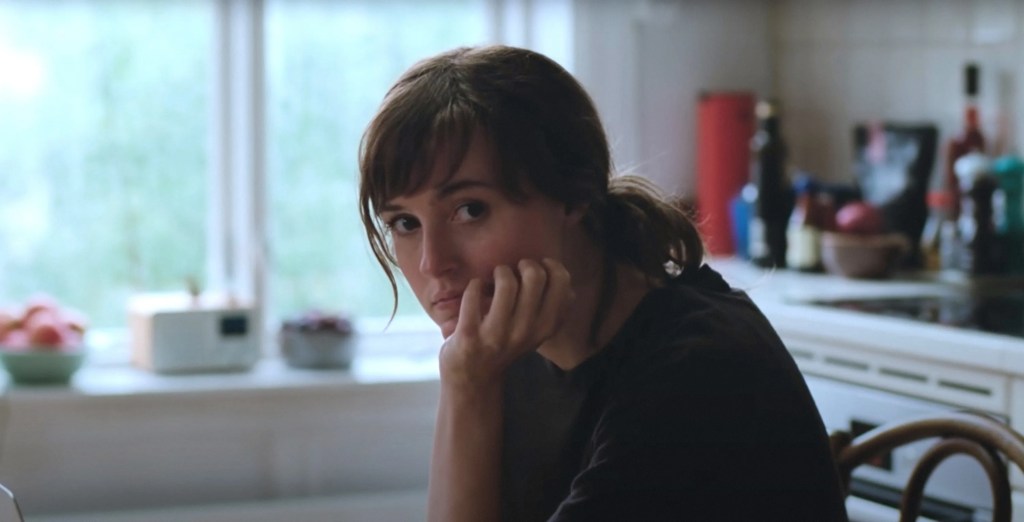
Hedda Tesman, formerly Gabler, and her academic professor husband George Tesman (Tom Bateman) have decided to throw a grand party at their lavish estate, inviting all of the local aristocratic elites to drink, dance, and gossip amongst each other into the late night hour. To her surprise, Eileen Lovborg (Nina Hoss), her former lover, arrives along with Thea Clifton (Imogen Poots), a former classmate of Hedda’s and Eileen’s new lover and protege. Eileen has brought a manuscript of a work she is certain will revive her career post her past struggles with alcoholism. Hedda, bored in her marriage and intoxicated by Eileen’s presence, seeks to influence the situation in her favor, twisting and manipulating her guests with lies, persuasions, and secrets that inevitably will cause everything and everyone around her to crash to pieces before the sun comes up.
Thompson’s Hedda is expertly quick-witted, devil-tongued and alluring. Impossible to figure out and that’s the point. Consistently fascinating to decipher what is going on her head, what is causing her to push forward her continuous evil deeds even when they go against her true feelings. Even when she has it all, she can’t help but set everything on fire just to see how it burns. Nina Hoss is sensational as Eileen, a towering but devastating figure that stuns the minute she walks through the door in her bosom-forward dress. A fierce and imposing personality whose fragile cracks are seen only by Hedda herself, quietly vulnerable to their history but just as lethal with her words to stand firm. “Did you miss me?” Hedda asks. “Like an appendix,” Eileen answers. Their toxic recounter the blood that keeps this film pumping along.
This version of the story not only presents itself under a new queer text, but also changes the setting to 1950s England and emphasizes a more broadly comic tone. DaCosta has great fun in cutting to all the allusions of what could go wrong from a steep, hanging chandelier that is bound to collapse or a literal Chekov’s gun certain to go off and spoil the night. It’s just enough to keep the film saucy, raucous fun despite an overall lack of surprise and a viciousness that, while entertaining, is a bit too cold to really latch onto. It’s best to just mindlessly settle into the rowdy atmosphere of drunk socialites and their tempestuous attitudes, beautifully costumed by Lindsay Pugh and warmly shot by Sean Bobbitt.
Despite its many prior adaptations, those deeply familiar with the original play may still find something unique this version of the viperous instigator. A somewhat thematically slight, but bewitching revamp though DaCosta’s wicked eye, injected with Hildur Guðnadóttir’s rattling score. Some of its narrative threads start to strain across its 107-minute runtime, but Thompson’s merciless and captivating work squaring off against the beguiling and domineering Nina Hoss is just a pure, nasty pleasure.




 jakobtalksfilm.com
Leave a comment