
While the first 8 episodes of 10 were screened in advance, for embargo reasons, most story details will be kept as vague as possible.
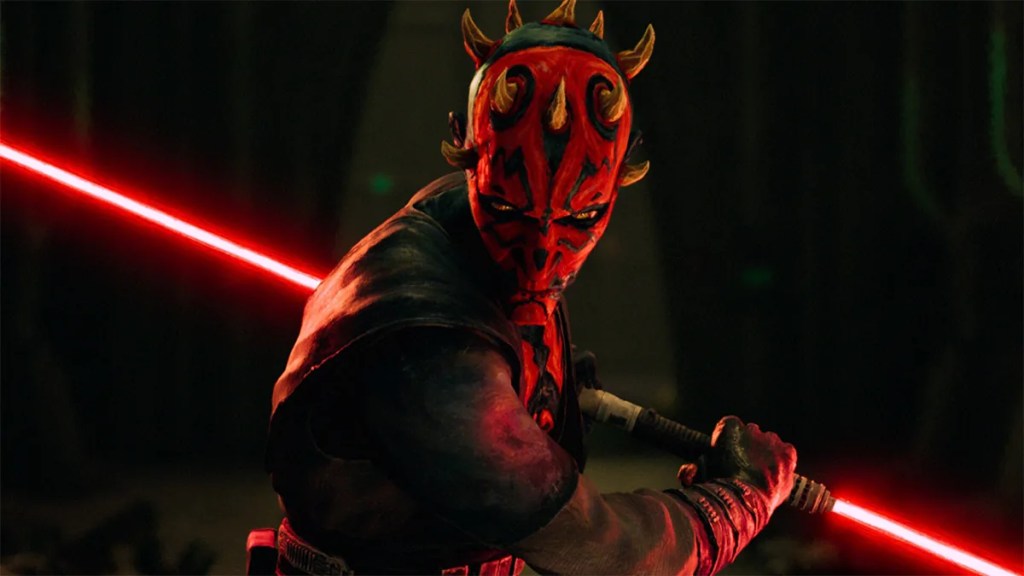
The last time most audiences saw Darth Maul, he had been sliced in half by Obi-Wan Kenobi’s lightsaber and sent sailing down a reactor shaft in Star Wars Episode I: The Phantom Menace (1999). That is, of course, ignoring his brief cameo in Solo: A Star Wars Story (2018), which revealed that Maul was actually alive and running the crime syndicate Crimson Dawn. A confusing note for many who only watch the live-action films as years prior, Dave Filoni’s now-canon timeline in the Star Wars: The Clone Wars television series resurrected Maul, expanding his history and family tree, gave him a redemption arc, and a “final-final” conclusion. It’s true that The Phantom Menace‘s original marketing promoted the devil-faced warrior as the series’ new big bad, only to be granted one memorable three-way lightsaber fight sequence and a quick finish, wasting a lot of the character’s potential on film. Fans long begged for more Maul, because he just looked so darn cool. His over-arching storyline in the Star Wars universe ends not long before the events of the original 1977 classic and within the periods between his original introduction in the prequels and his final appearance, there is room to play in, simply because Filoni and the team at Lucasfilm have made it so. The character’s reintroduction in animated series was convoluted, but compelling, and basing a brand new animated series around him made all the sense in the world, especially as Filoni takes the reigns as President and CCO of Lucasfilm.
But if everything I just said made your head spin, it should. While general audiences have no issues keeping up with the main Star Wars narrative on the film side, the television universe has become a tangled web of canon, unable to exist separately for “hardcore devotees”, and much like the issue of the Marvel Cinematic Universe, has become endless homework. Even The Mandalorian, Disney+’s original flagship show saw a decline in viewership and interest once it began to lean in hard on roping back in prior animated series storylines and characters. Most of these issues with audience interest would largely be fixed if, in reintroducing these former characters from previously established media, their character growth and development wasn’t shoved off to the side because “we explored all that in the Clone Wars.” Former Jedi apprentice Ahsoka Tano, Filoni’s golden child creation, spent seven seasons being developed on The Clone Wars and its sequel Star Wars: Rebels, before finally getting her own live-action Disney+ series, Ahsoka (2023) where she felt like a background character with a blank presence and almost nothing new to offer.
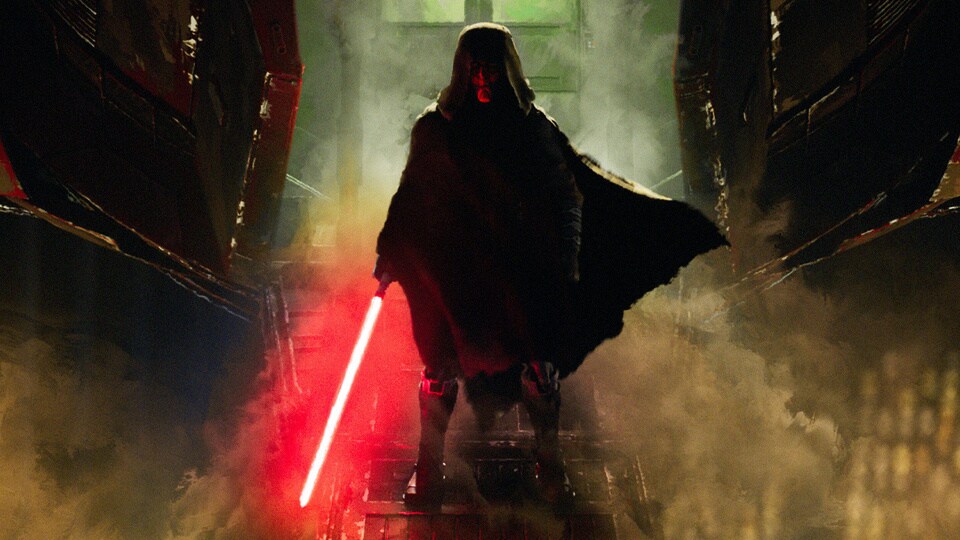
Many characters in Filoni-verse projects often suffer from stilted character exploration, sometimes even using “vision quest” episodes as an excuse to dig deep into characters’ pasts and trauma rather than developing them in proper, lengthy storylines. Maul, here, is no exception to that (yes, he also goes on a “vision quest!”), though, as the audience keeps shrinking for this side of the universe, no one that is dedicated to starting this series will likely have missed any prior piece of Star Wars canon anyway. This isn’t a show aiming to attract new eyes. It’s specifically for the fans who have stuck through years of storytelling and continue committed. But if you are all caught up on your lore, it’s become apparent that the more time we’ve been with Maul, the less interesting he’s become, and the further away he is from that feeling of seeing Ray Park in that spooky makeup for the first time. He still has somewhat a commanding presence and takes part in plenty of cool action, but the series doesn’t sew new threads into the character and he is fully overshadowed by the supporting characters of his own show.
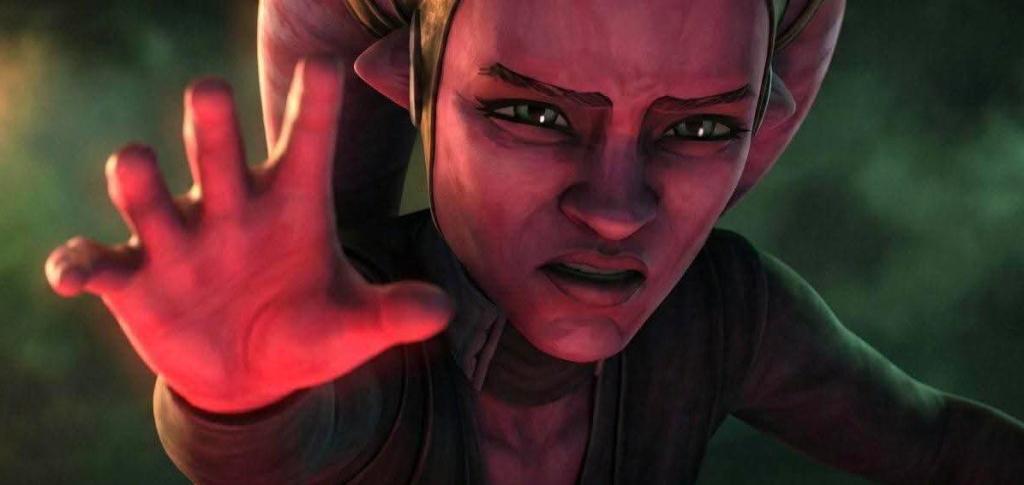
But, thankfully, that’s where the positives start to flow in. Star Wars: Maul- Shadow Lord focuses less on Maul than it should, but is able to craft interesting and complex enough new heroes that feel worth investing in. Taking place not long after the events of Order 66 in Star Wars Episode III: Revenge of the Sith, Maul (voiced by Sam Witwer, who had much influence and consultation with this production since taking over the character from Ray Park and Peter Serafinowicz) is thriving on the planet Janix (another Coruscant-style city world), causing havoc between dueling gangs for the personal gain of building his new crime syndicate, as well as taking great interest in adopting a young, rogue Twi’lek Jedi named Devon Izara (voiced by Gideon Adlon) as his new apprentice. While Devon shares a similar spunk to Ahsoka Tano, her personality floats in a grayer morality, now on the run from the Galactic Empire, as all other remaining living Jedi are. She still has ties to one of her former instructors, Jedi Master Eeko-Dio-Daki (voiced by Dennis Haysbert, his intelligent and booming voice adding a large amount of gravitas to his elderly salamander-faced outlaw.) Maul is definitely no Jedi himself, but he’s neither a Sith Lord anymore (as the internet would say, “he’s a secret third thing!”). He’s a dark *ahem* menace with no specific rules or agenda, only in it for himself, allowing a character like Devon to be more tempted by his interest in her. Perhaps this particular storyline could be leaned into further within the first eight episodes, though its brief fast-paced 20-minute runtime per episode can only dive in so much and there is still the possibility to expand into future seasons.
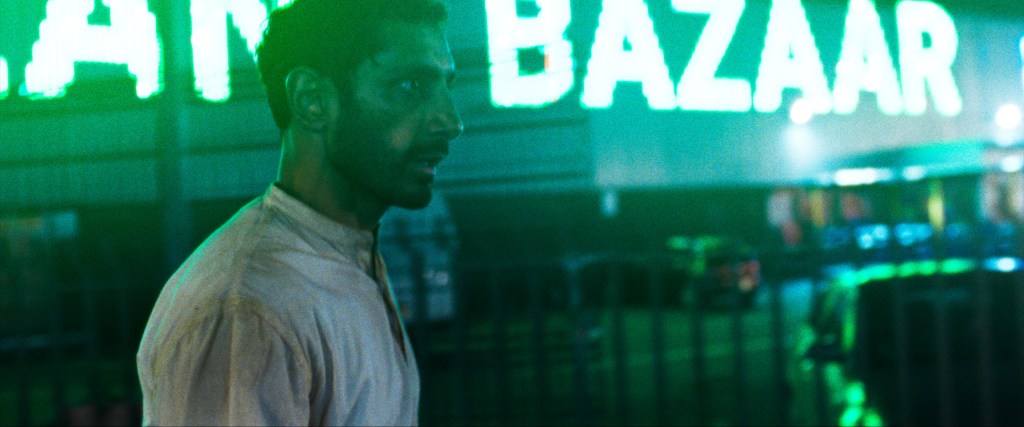
The other half of the series is dedicated to local detective Brander Lawson, investigating the trail left behind of Maul’s manipulation of the criminal underground, as well as Maul’s suddenly-public reappearance. Maul, who had been in prior canon, only existing in the shadows, hadn’t even been known to be alive since the events of The Phantom Menace. While sandwiching in an entirely new character and police subplot into a Darth Maul show would seem like taking up space, Lawson is one of the most engagingly human characters the Filoni-verse has concocted to date. A sad-sack stuck single-parenting his son Rylee, whose mother is on board the Death Star as an imperial officer, only able to visit Rylee through hologram chats, reassuring him that the Empire is doing “the best they can”. It’s the most Andor-like stuff the animated series canon has ever leaned into and handled with a surprisingly adult tone. It only helps that Lawson is voiced by Academy Award nominee Wagner Moura (in a role he could easily step into in live-action). His companionship with 2B0T (nicknamed “Two Boots”, voiced by Richard Ayoade) as his droid police partner is pleasantly charming, but never leans too hard into the “silly” as so often Star Wars droid characters do.
While a chief complaint with the Clone Wars style of animation has been the animation itself, with its stiff character designs offering little to no emotiveness, Maul- Shadow Lord feels visually more clean and detailed, not only offering more visual nuance in its characters, but adding a stunning new technique to its backgrounds to differentiate itself from previous projects. Matte-painted backgrounds used to evoke the shooting style of the original films noticeably enhance this new hyper-stylized visual look, complimented by beautiful harsh lighting choices and pristine shot composition, leaning into a “concept art” aesthetic that makes you want to pause every frame and just appreciate the work. It’s not wildly far off from the visual language of previous Filoni projects, but it’s a noticeable and appreciative creative leap forward.
It’s tough to know what the potential of this new animated series is going forward, but there is potential. It all depends on how limited in scope Filoni and team feel like keeping the narrative and where it continues to sew itself into the fabric of the Star Wars timeline. At some point, the overlap with the Crimson Dawn narrative of Solo: A Star Wars Story will come into play, and it is certainly teased, but as long as character exploration can remain the greater focus over getting lost in the world-building mumbo jumbo, it may be worth staying invested. Clone Wars lost its way many times, but stuck the landing by finally embracing total maturity, and Maul- Shadow Lord doesn’t seem to be too afraid of maturity whatsoever.
The first two episodes of “Star Wars: Maul- Shadow Lord,” premiere on April 6, 2026, with two new episodes every Tuesday until its conclusion on May the 4th, only on Disney+.



 jakobtalksfilm.com
Leave a comment